
What happens below the waterline is often only discovered when a problem starts to surface. A vessel may lose efficiency due to hull fouling, a harbour structure may show signs of wear that are not visible from above, or underwater components may require inspection after storms or routine operations.
Traditionally, these checks rely on divers and scheduled maintenance windows, which can be affected by cost, weather, and operational downtime. This is where remotely operated vehicles have become a practical option for many inspection teams.
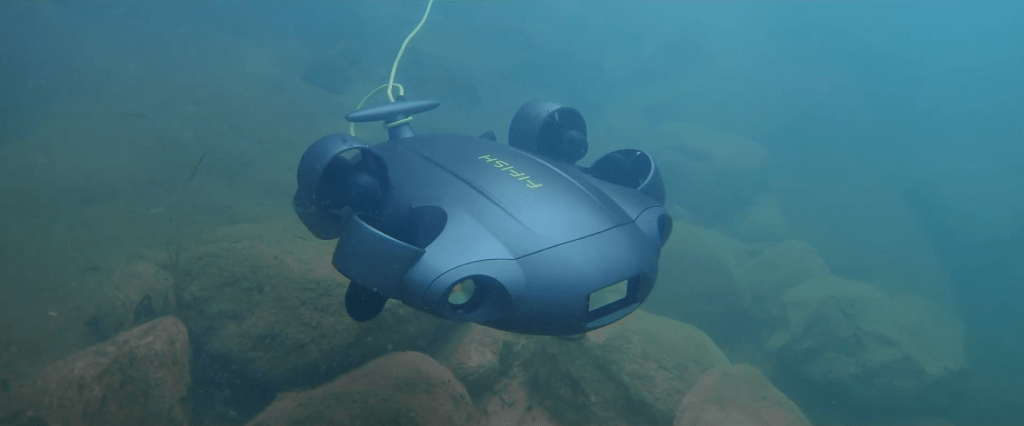
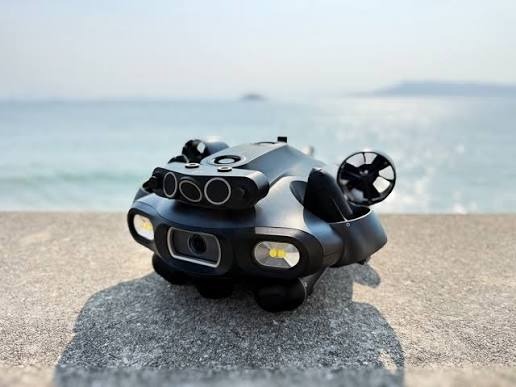
The FIFISH V6 Expert is one of the tools used in this space, allowing operators to visually assess hulls, harbour structures, and submerged assets from the surface. While it helps make underwater access more convenient, the quality of results still depends on how the inspection is planned and carried out.
This article looks at best practices for using ROVs in marine inspections, from planning and deployment to documentation and reporting.
UNBOXING: QYSEA FIFISH V6 Expert Underwater Drone
Why ROVs Are Becoming a Common Tool for Marine Inspections
Marine inspections often involve a simple challenge: obtaining accurate information from underwater assets while minimising operational disruption. Whether inspecting a vessel hull, marina structure, or harbour infrastructure, access below the surface has traditionally depended on dive teams, specialised equipment, and suitable conditions.
While divers remain essential for many tasks, not every inspection requires someone in the water. In many cases, the goal is to assess an asset’s condition, identify potential issues, and determine whether further investigation is necessary. ROVs provide a practical way to perform these initial inspections.
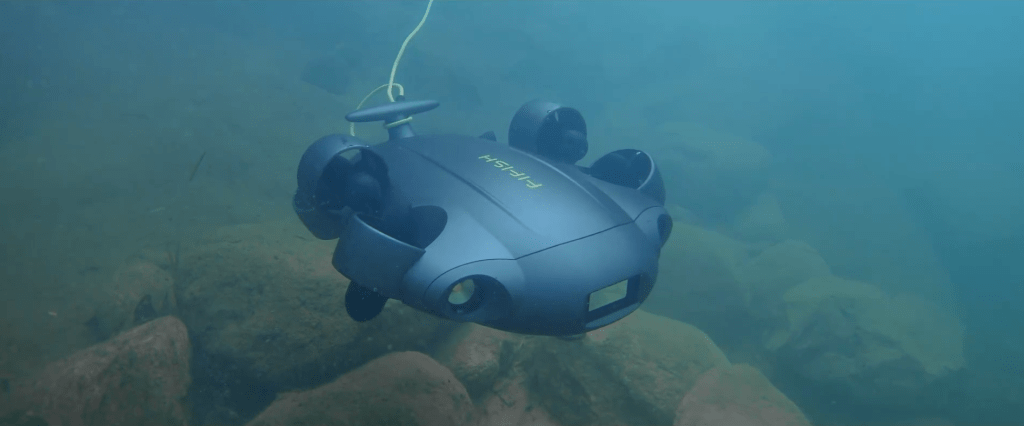
With an underwater ROV, operators can examine submerged structures from the surface and capture video for later review. The footage also creates a visual record that can be compared over time, making it easier to monitor changes such as corrosion, marine growth, or physical damage.
As inspection requirements continue to grow, ROVs are becoming a regular part of marine inspection workflows across ports, marinas, and vessel operations.
Planning Before Deployment
| Asset Type | Common Inspection Focus |
| Vessel Hull | Fouling, corrosion, coating condition |
| Propeller | Blade damage, entanglement, marine growth |
| Rudder | Wear, alignment, structural condition |
| Quay Wall | Cracks, deterioration, surface damage |
| Pilings | Corrosion, marine growth, scour |
| Seawalls | Structural integrity and erosion |
| Harbour Floor | Debris, obstructions, sediment changes |
| Mooring Systems | Anchor condition, chain wear, connection points |
| Underwater Utilities | Exposure, damage, movement |
A successful inspection starts before the ROV enters the water. The first step is defining the objective, whether it is a ship hull survey, jetty inspection, harbour floor assessment, or mooring inspection. Clear goals help operators focus on the areas that matter most.
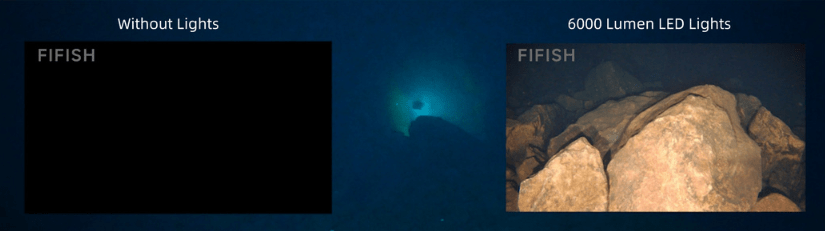
Environmental conditions should also be reviewed beforehand. Visibility, current strength, and water movement can affect both navigation and image quality. Identifying target structures and planning inspection routes in advance helps ensure complete coverage and reduces wasted time underwater.
Finally, battery checks and proper tether management can prevent avoidable interruptions during the mission. In many cases, preparation has a greater impact on inspection success than equipment specifications alone.
Once the inspection area has been mapped out, one of the most common applications is the examination of vessel hulls.
Hull and Vessel Inspections
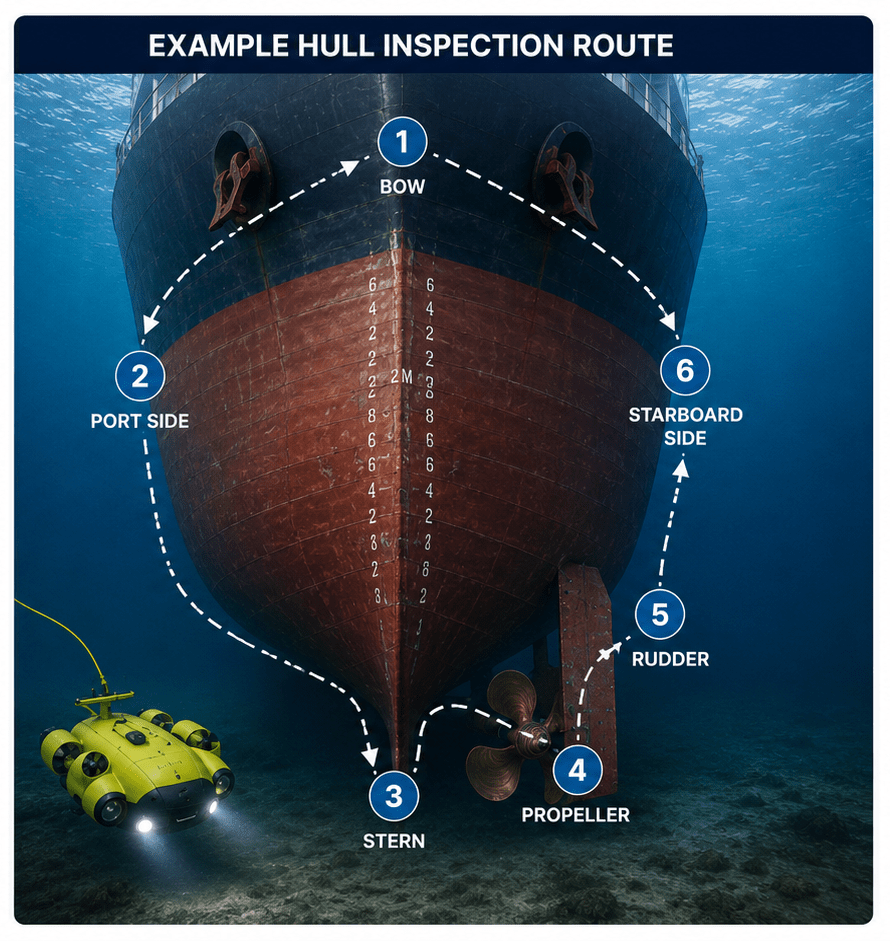
Hull inspections are among the most common applications for underwater ROVs. They are often performed to assess marine growth, monitor corrosion, inspect propellers and rudders, or identify damage following a grounding, collision, or other impact.
A systematic approach helps ensure complete coverage. Operators typically begin at the bow and work along the port side before repeating the process on the starboard side. The inspection then moves to the stern, where the propeller and rudder receive closer examination due to their importance to vessel performance and manoeuvrability.
Consistent footage is particularly valuable during hull inspections. Following similar routes and camera angles from one survey to the next makes it easier to compare conditions over time and identify changes that may require maintenance or further investigation.
The same inspection principles can also be applied to fixed marine infrastructure.
____________________________________________________________________________
Port, Harbour, and Infrastructure Assessments
ROVs are also widely used to inspect marine infrastructure that is difficult to access from the surface. Common applications include quay walls, pilings, support structures, seawalls, marina facilities, and underwater utility crossings. These assets are constantly exposed to water movement, corrosion, and environmental wear, making regular inspections essential.
Scheduled inspections allow infrastructure owners to identify early signs of deterioration before they develop into larger maintenance issues. Small cracks, scour around foundations, damaged coatings, or structural movement can often be detected and documented long before repairs become urgent.
Another advantage of ROVs is their ability to reach confined or hard-to-access areas where visibility and access may be challenging for traditional inspection methods. This makes them particularly useful for routine condition assessments and follow-up inspections.
Beyond inspections, marine operators are increasingly using ROVs for targeted underwater investigations.
Underwater Search and Recovery Operations
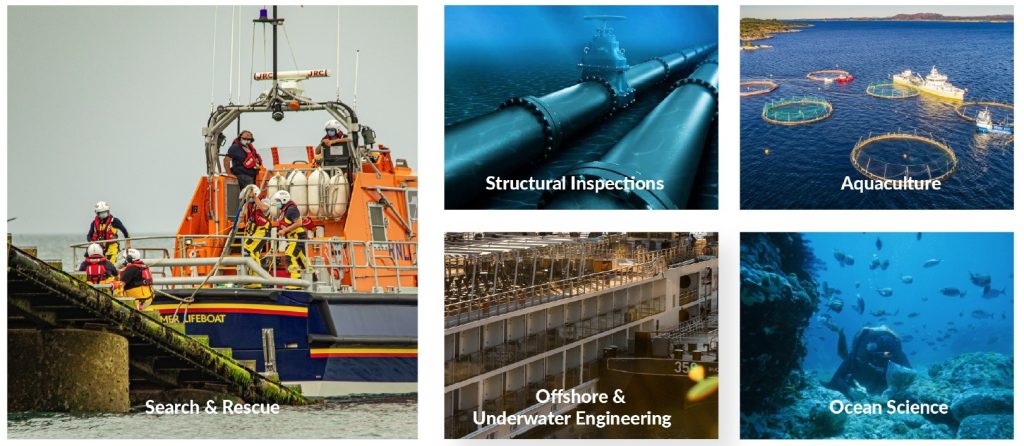
Not every ROV deployment is part of a planned inspection. Marine operators also use ROVs to locate dropped equipment, inspect anchors and chains, recover lost tools, investigate incidents, and assess underwater conditions after storms or other events.
In these situations, speed is often critical. Real-time video allows teams to quickly assess conditions below the surface and make informed decisions without immediately deploying divers. This can help narrow search areas, confirm the location of an object, or determine whether further action is required.
A rapid visual assessment can also reduce unnecessary costs and delays, particularly when the objective is to verify a condition rather than perform immediate underwater work. By providing quick access to underwater information, ROVs help teams respond more efficiently when time and resources matter.
Whether the mission involves inspection or recovery, the value of the operation ultimately depends on the quality of the information collected.
Capturing Actionable Inspection Data
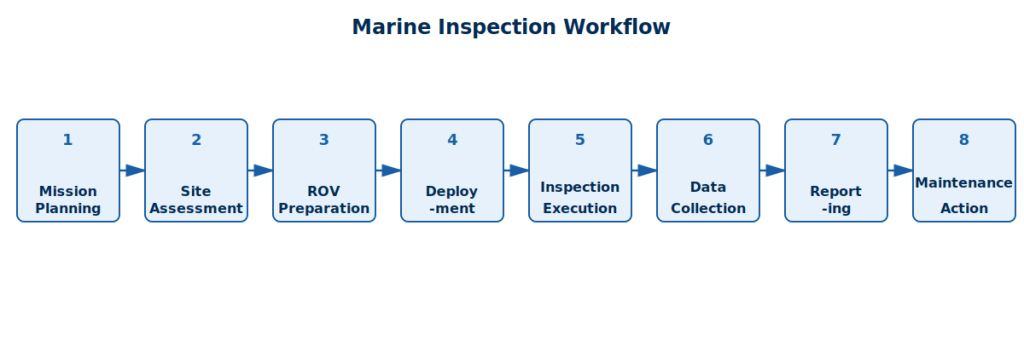
Collecting footage during an inspection is useful, but it is not enough on its own to support long-term maintenance or decision-making. Without structure, video files become difficult to interpret, compare, or apply in operational planning.
Consistency is key. Following the same inspection paths and maintaining proper camera positioning helps ensure that changes in condition can be tracked over time. Time-stamped recordings add another layer of clarity by showing when specific issues were first observed and how they evolve across inspections.
However, the real value comes from documentation. Turning observations into structured inspection reports allows teams to organise findings in a way that can be easily shared and reviewed. This supports maintenance planning, improves asset management decisions, helps meet regulatory compliance requirements, and enables reliable historical comparisons between inspection cycles.
When properly documented, each inspection becomes part of a continuous record rather than a standalone dataset.
Even with advanced equipment, several common mistakes can reduce the effectiveness of an inspection.
Common Mistakes to Avoid
Many inspection issues can be traced back to basic planning and execution errors. One of the most common is launching the ROV without a clear inspection objective, which often results in missed areas and incomplete data. Environmental conditions are another factor that should not be overlooked, as poor visibility, strong currents, and changing tides can affect inspection quality.
Operators should also ensure complete coverage of the structure being inspected. Skipping sections or failing to follow a consistent inspection path can leave important issues undiscovered. Poor tether management may limit manoeuvrability and increase the risk of snagging, while inadequate documentation can make findings difficult to verify later.
Avoiding these pitfalls helps ensure every deployment delivers useful results that support operational decisions.
Common Challenges During Marine Inspections
✓ Low visibility
✓ Strong currents and tidal movement
✓ Marine growth covering inspection areas
✓ Confined spaces around structures
✓ Tether snag hazards
✓ Debris on the harbour floor
✓ Restricted access beneath docks and jetties
✓ Changing weather conditions
Conclusion
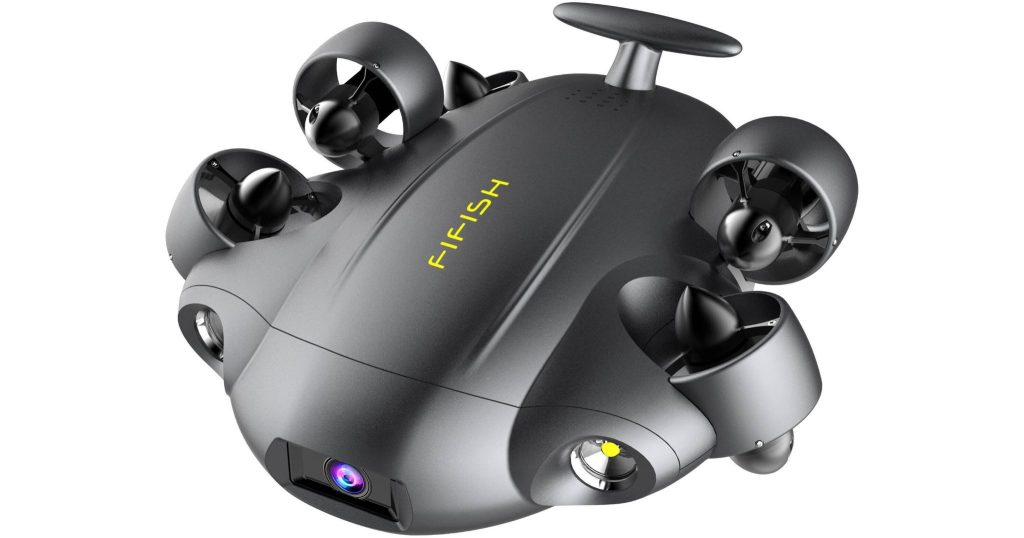
The effectiveness of marine inspections depends less on the equipment itself and more on how it is used. The FIFISH V6 Expert delivers the most value when it is paired with proper planning, structured inspection procedures, and clear data collection practices.
When inspections are approached systematically, teams are better able to capture reliable information, track changes over time, and support maintenance decisions with confidence. This applies across vessel inspections, harbour structures, and broader underwater assessments.
As ports, vessel operators, and marine infrastructure owners seek safer and more efficient inspection methods, ROV-based workflows are becoming an increasingly valuable part of modern marine asset management.
For teams looking to improve the efficiency and consistency of underwater inspections, the FIFISH V6 Expert is available through Dynatech Innovartions. You can explore its specifications, configurations, and suitability for different marine inspection tasks here: FIFISH V6 Expert